A good cup of coffee begins long before the beans reach your favourite café. It starts on a farm, often in the cooler mountains of northern Nicaragua, where coffee plants grow under the shade of trees and the cherries slowly ripen.
Coffee is an important part of Nicaragua’s agricultural identity. Regions such as Matagalpa, Jinotega and Nueva Segovia are especially well known for growing Arabica coffee, thanks to their mountainous terrain, suitable altitudes and favourable growing conditions.
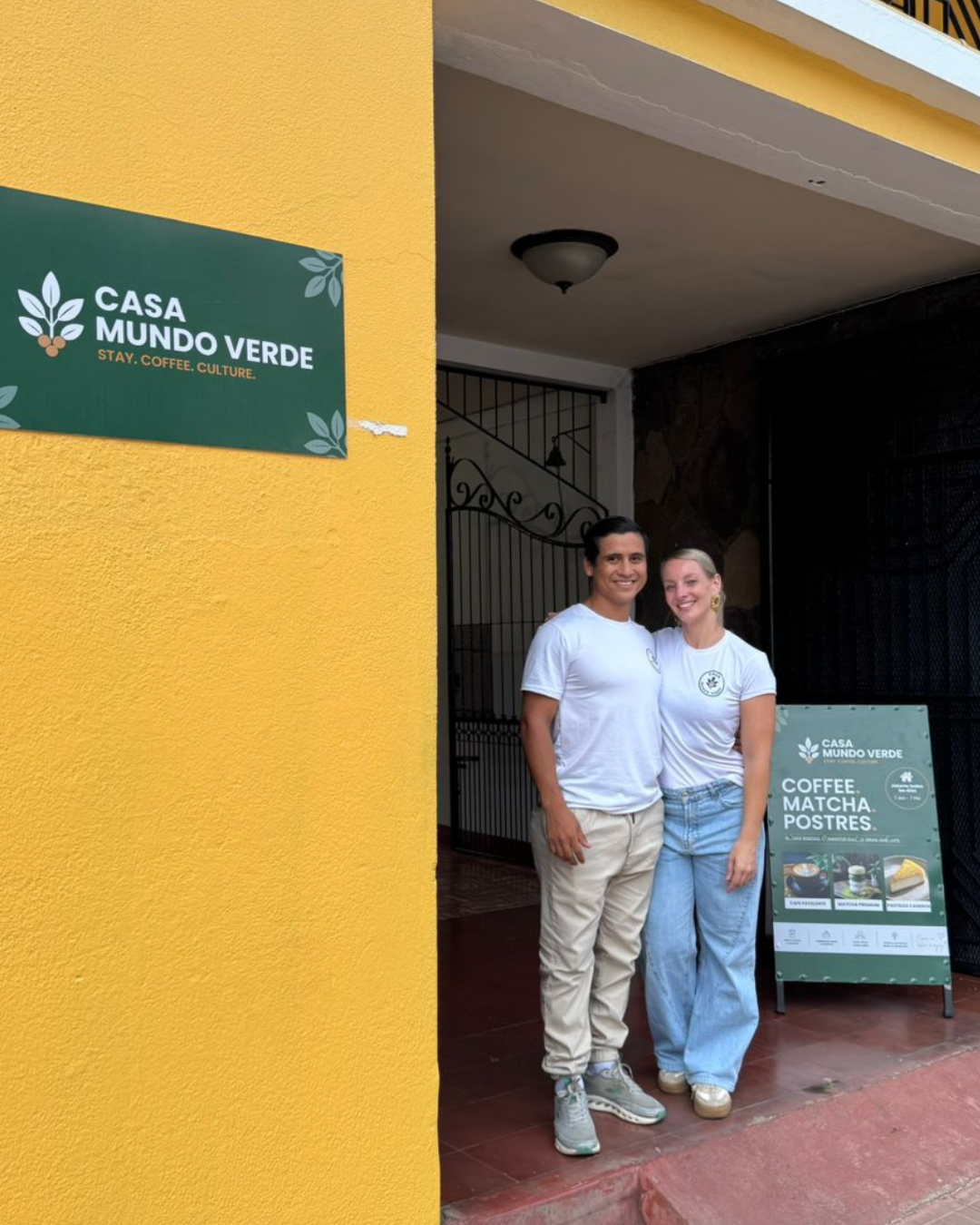
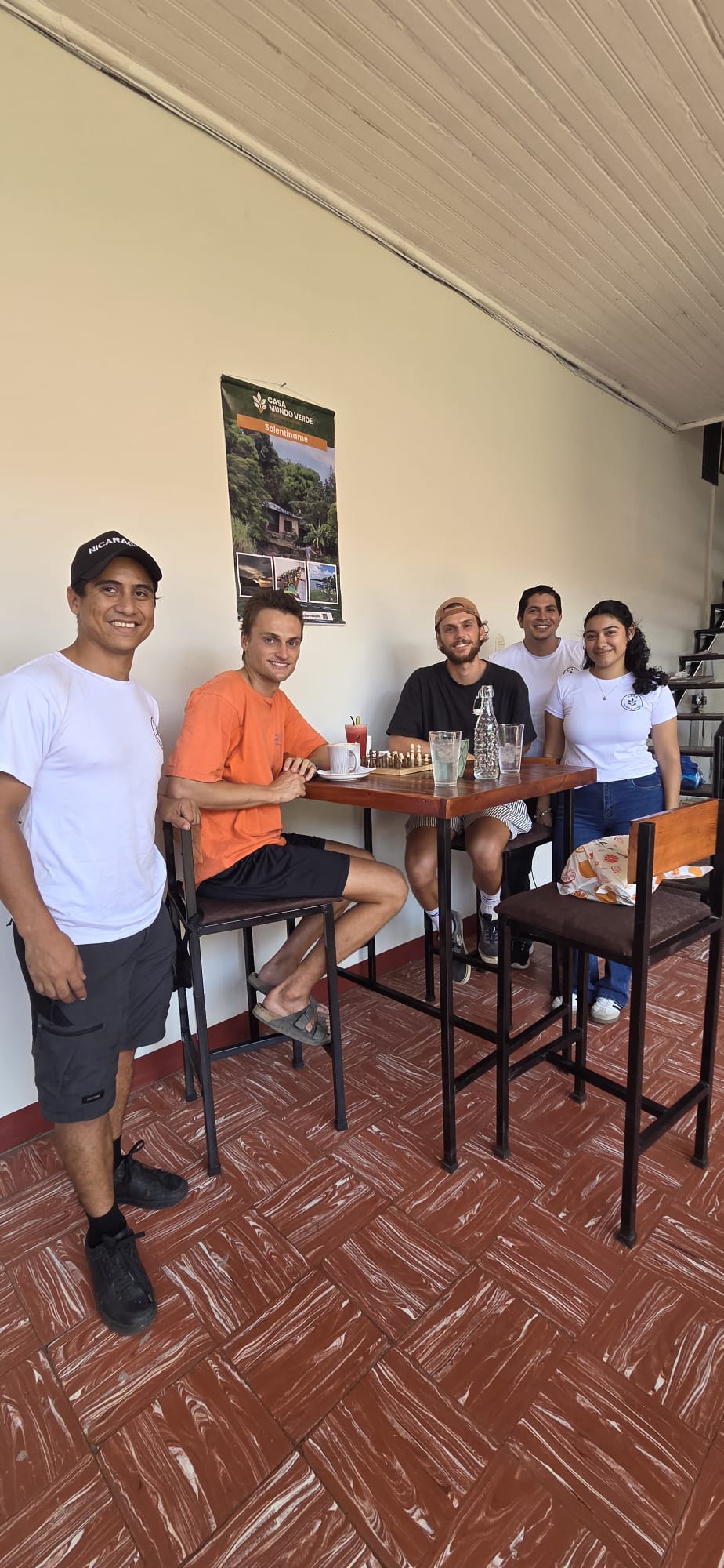
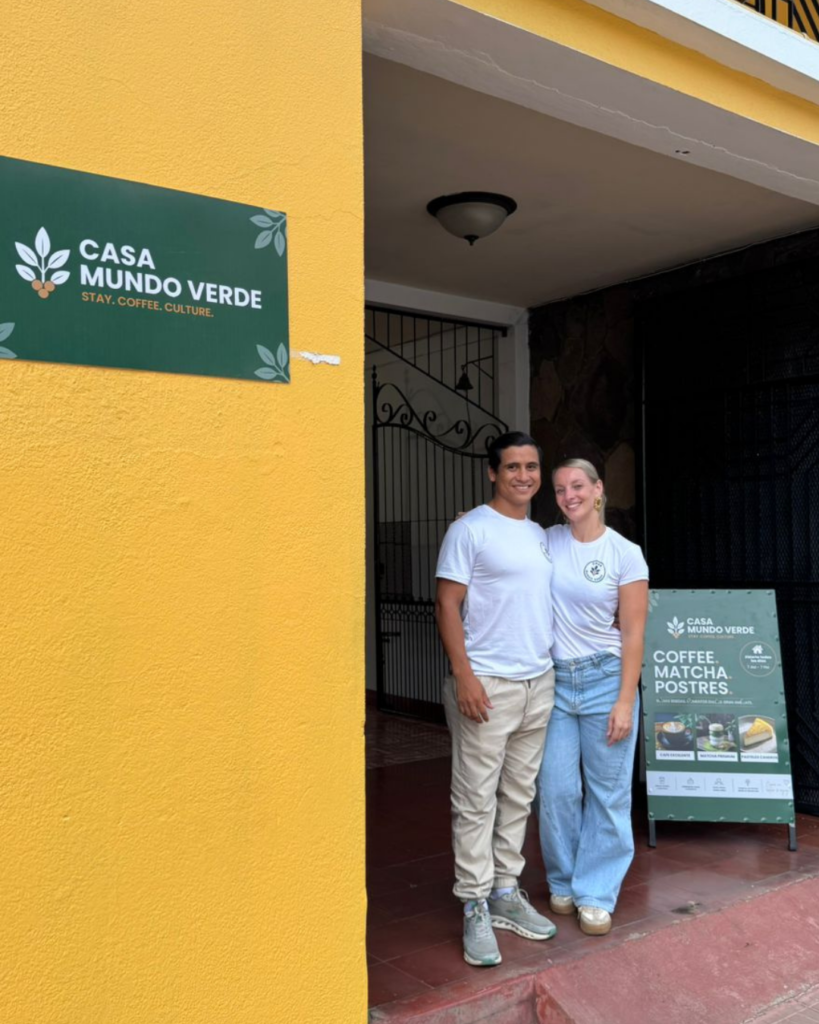
At Casa Mundo Verde, coffee is an important part of what we do. We love sharing specialty coffee and helping visitors understand the work and knowledge behind every cup.
So, how does a coffee cherry become the drink you enjoy every morning?
Growing coffee in Nicaragua
Coffee plants need the right combination of temperature, rainfall, soil, altitude and care to produce good-quality cherries.
Much of Nicaragua’s specialty coffee comes from the northern highlands, where cooler temperatures and differences between daytime and nighttime conditions can allow the cherries to develop more slowly. In many growing areas, coffee is cultivated under shade trees, which can help create a more varied farm environment.
Three regions are particularly important.
Matagalpa has a long history of coffee production. Its mountainous landscapes, elevations and established coffee-growing communities make it an important centre for the industry. Coffees from the region can be balanced and sweet, with notes that may include chocolate, caramel or citrus.
Jinotega is one of Nicaragua’s major coffee-producing regions. Its highlands, humid conditions and varied elevations support extensive coffee cultivation. Depending on the farm and processing method, coffees may offer a rounded body, chocolate-like flavours and fruity notes.
Nueva Segovia, close to the Honduran border, is also known for high-grown coffee. Some coffees from the region are valued for their complexity, brighter acidity and floral or fruity characteristics.
These descriptions are general tendencies, not fixed rules. Two coffees from the same region can taste quite different because of variety, altitude, processing, roasting and brewing.

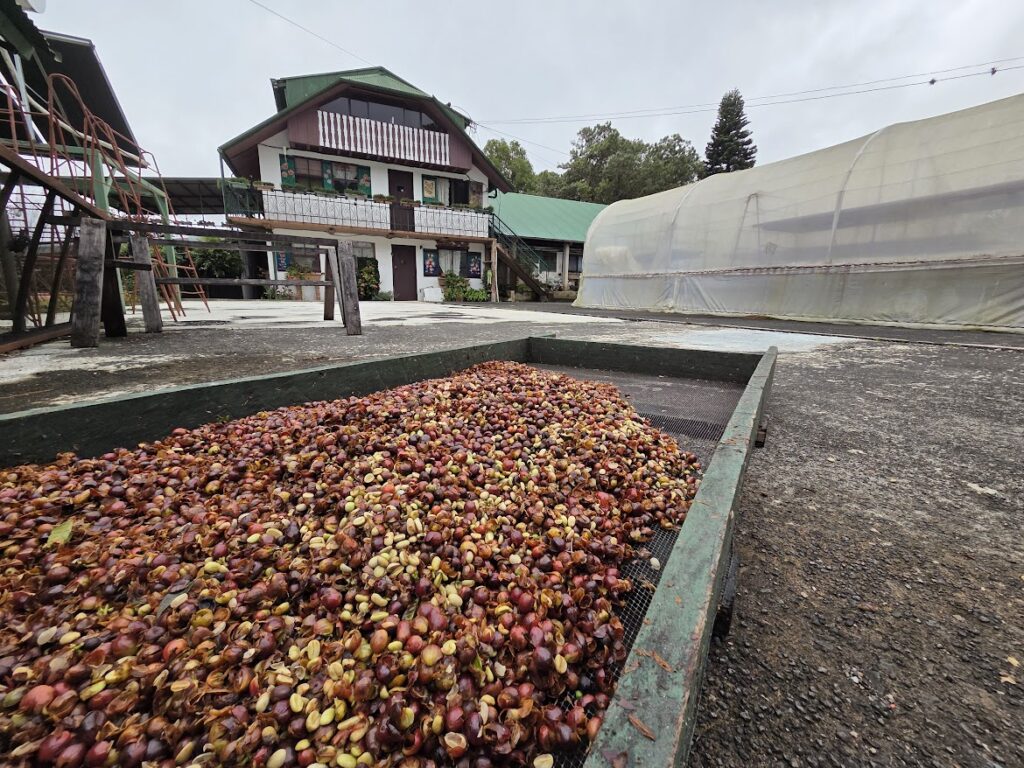
Harvesting the coffee cheries
Coffee plants produce small fruits called cherries. When ripe, they are usually red or yellow, depending on the variety.
Inside each cherry are generally two seeds: the coffee beans we know after they have been processed and roasted.
Harvesting at the right stage matters. Unripe and overripe cherries can affect the quality and consistency of the final coffee, so careful picking is an important part of producing specialty coffee.
For many producers, harvest season means months of intensive work. The people who pick, sort and process the cherries have a direct influence on the quality of the coffee that eventually reaches cafés around the world.
Processing the coffee
After harvesting, the fruit needs to be removed from the beans. The method used can influence the flavour of the final cup.
Washed processing involves removing the outer fruit and cleaning the beans before drying. Washed coffees often have a clear, defined flavour, and their acidity and individual characteristics can be easier to recognise.
Natural processing involves drying the whole coffee cherries before removing the fruit. This can produce sweeter, fruitier flavours, sometimes with notes reminiscent of berries or tropical fruit.
Honey processing leaves some of the sticky fruit mucilage around the beans during drying. It can produce a sweet and rounded cup, although the result depends on the details of the process.
None of these methods is automatically better than the others. Each creates different possibilities, and skilled producers choose their methods according to the coffee and the result they want to achieve.
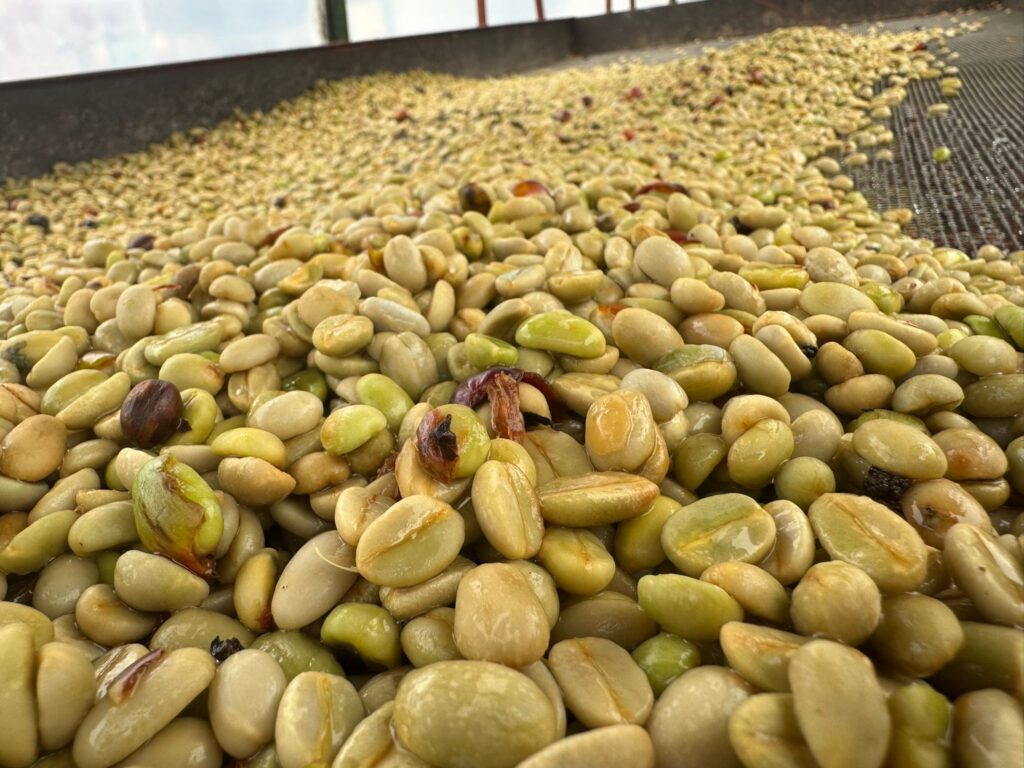

Why coffee beans can taste so different
Not all coffee beans are the same, even when they come from the same country.
The variety of the coffee plant is one important factor.
Caturra and Bourbon are examples of Arabica varieties grown in Nicaragua. Other varieties, including Pacamara and Maragogype, are also found in the country’s coffee industry. Different varieties have different growing characteristics and can contribute different qualities to the cup.
The size of a bean does not automatically determine its quality or flavour. For example, Maragogype is known for its unusually large beans, while Pacamara is another distinctive variety that can produce complex flavour profiles.
Altitude also plays a role. Coffee grown at higher elevations often matures more slowly, which can contribute to denser beans and complex flavours. However, altitude alone does not guarantee quality.
Finally, roasting and brewing bring everything together. A light roast may highlight floral, citrus or fruit notes, while a darker roast can emphasise chocolate, toasted nuts and deeper roasted flavours. The brewing method then influences which characteristics stand out in your cup.
Roasting and brewing
After processing and drying, green coffee beans are prepared for roasting.
During roasting, heat transforms the beans, developing the aromas, colours and flavours we associate with coffee. Roasters adjust the temperature and timing to suit the coffee and the intended style.
Once roasted, the coffee is ground and brewed. Grind size, water temperature, brewing time and the ratio of coffee to water all influence the result.
That is why the same coffee can taste different when prepared as espresso, a pour-over or a French press.
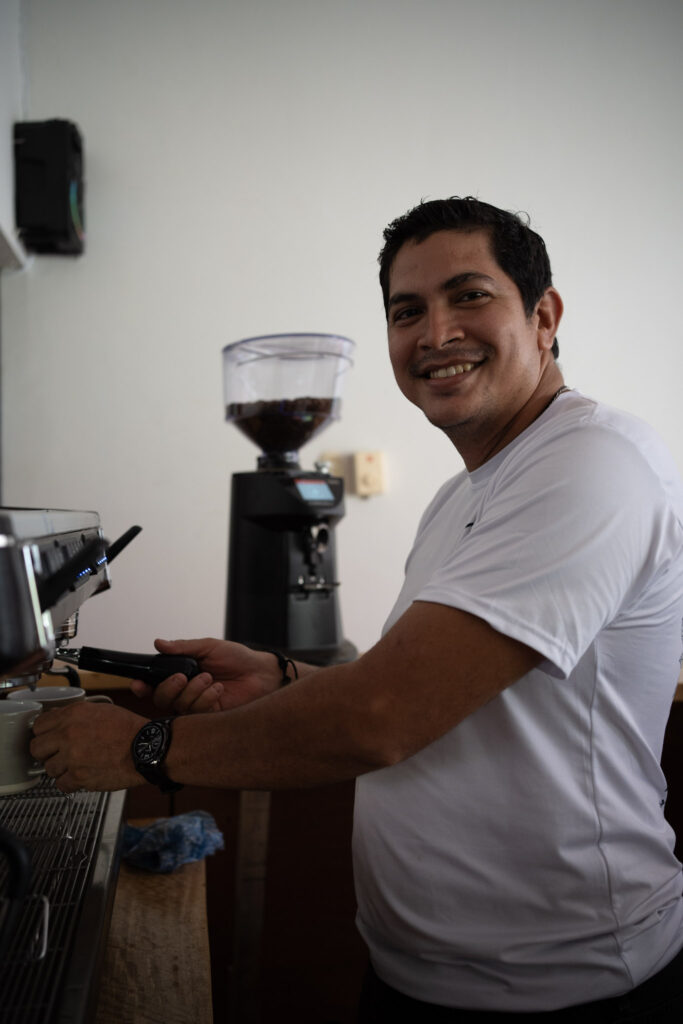
Experience Nicaraguan coffee from Matagalpa in Casa Mundo Verde
At Casa Mundo Verde, we believe coffee is a way to connect with the place you are visiting. Nicaragua has a rich coffee-growing tradition, and every cup is an opportunity to appreciate the work of the people who grow, process and prepare it.
Our hostel and coffee shop is just a three-minute walk from León’s centre. Stop by for specialty coffee, take a break from exploring the city and ask us about the coffee you are drinking.
Good coffee has a story. Come and taste a little of Nicaragua’s best coffee.